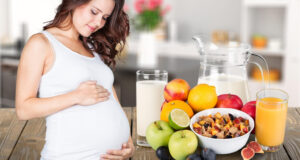
Pregnancy is a life-changing experience, and the right diet is necessary to help the mother stay fit and the baby grow. At Dr. Avhad Hospital, we provide dietary advice grounded in clinical research, which is personalized for each trimester for pregnant women.
As the requirements for nutrients vary every month, a detailed chart of foods to include and foods to exclude in one’s diet could be instrumental in maintaining the well-being of both the mother and the baby throughout pregnancy.
First Trimester (Months 1–3): Laying the Foundation
This is the period when all of the baby’s organs and the neural system will be made. In order to avoid neural tube defects, one has to consume a lot of folic acid-rich foods such as green leafy vegetables, lentils, oranges, and cereals. Eating smaller but more frequent meals may help relieve nausea and vomiting. You should get your protein from milk, yogurt, eggs, and pulses. Stay away from alcohol and cigarette-smoking, and do not consume raw seafood, undercooked meats, or too much caffeine. These will also support early fetal development.
Second Trimester (Months 4–6): Supporting Growth & Energy
Most women consider the second trimester to be their “honeymoon” period during pregnancy when most vomiting and nausea disappear, and the appetite improves. Bone and muscle development, including brain growth, is the major focus of the baby during this phase. So, calcium, iron, and protein can easily be obtained by eating enough dairy products, almonds, sesame seeds, green leafy vegetables, beans, and lean meat. Take in nut and seed oils to help brain development. Stay away from sugary and junk foods and too much salt if you want to keep a healthy or controlled weight and avoid swelling.
Third Trimester (Months 7–9): Preparing for Birth
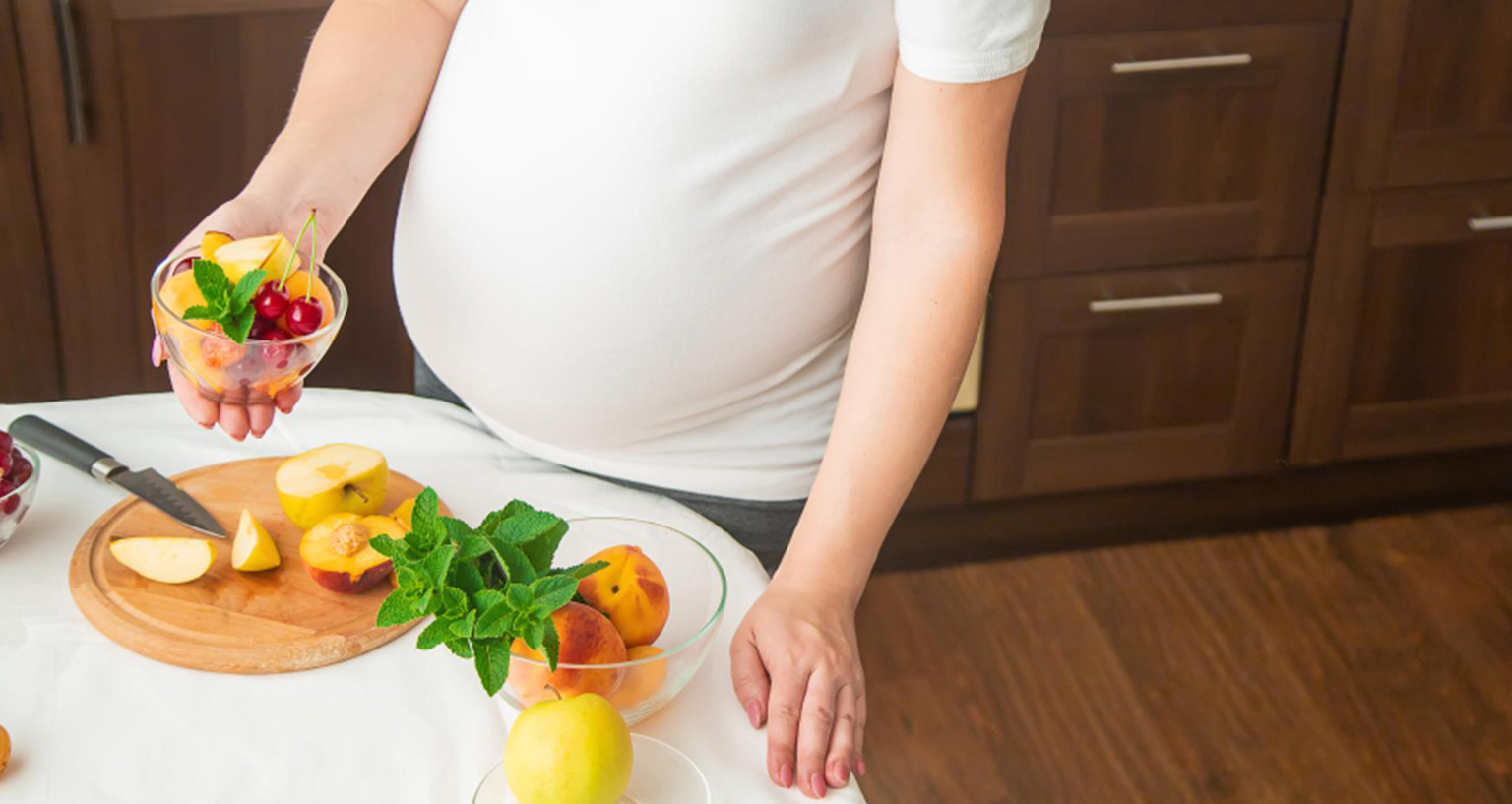
The baby’s weight gets really heavy quite fast in the last stage of pregnancy, so the mother’s energy and nutrient requirements are at their highest. Complex carbs, iron, and high-fiber eating should be the main focus of the diet during this period. Whole grains, fruits, vegetables, and even vegetable soups are examples of these kinds of foods. Eating smaller portions more frequently can help relieve heartburn and indigestion. Get enough fluids and stay away from foods that are spicy, oily, or heavily processed if you want to avoid resulting discomfort or acidity.
Foods to Include Throughout Pregnancy
A balanced diet during pregnancy should consist of whole grains, fresh fruits and vegetables, milk or its fortified alternatives, lean proteins, and good fats. The iron-rich foods will serve to keep anemia away from you, as calcium and vitamin D will make the bones strong. To keep yourself well-hydrated and to make your digestion smooth and free of constipation, water and fiber-rich foods should be included in your diet.
Foods to Avoid During Pregnancy
Some foods can cause diseases or complicate your life. Among the foods to be strictly avoided are unpasteurized milk and cheeses, raw eggs, raw or undercooked meats, high-mercury fish, packaged junk foods that are packaged, and sugary drinks. Additionally, giving up alcohol completely and limiting caffeine consumption to a great extent are very important steps that need to be taken for the safety of the baby.
Conclusion
Choosing a healthy diet that fits the needs of each month during pregnancy is one of the most important requirements for fetal development as well as the health of the mother at Dr. Avhad Hospital. As pregnancy differs from one to another, it is best to have a dietitian give you a prescription for your food intake. Eating the right foods will not only make your pregnancy easier but also give your baby a healthy beginning.