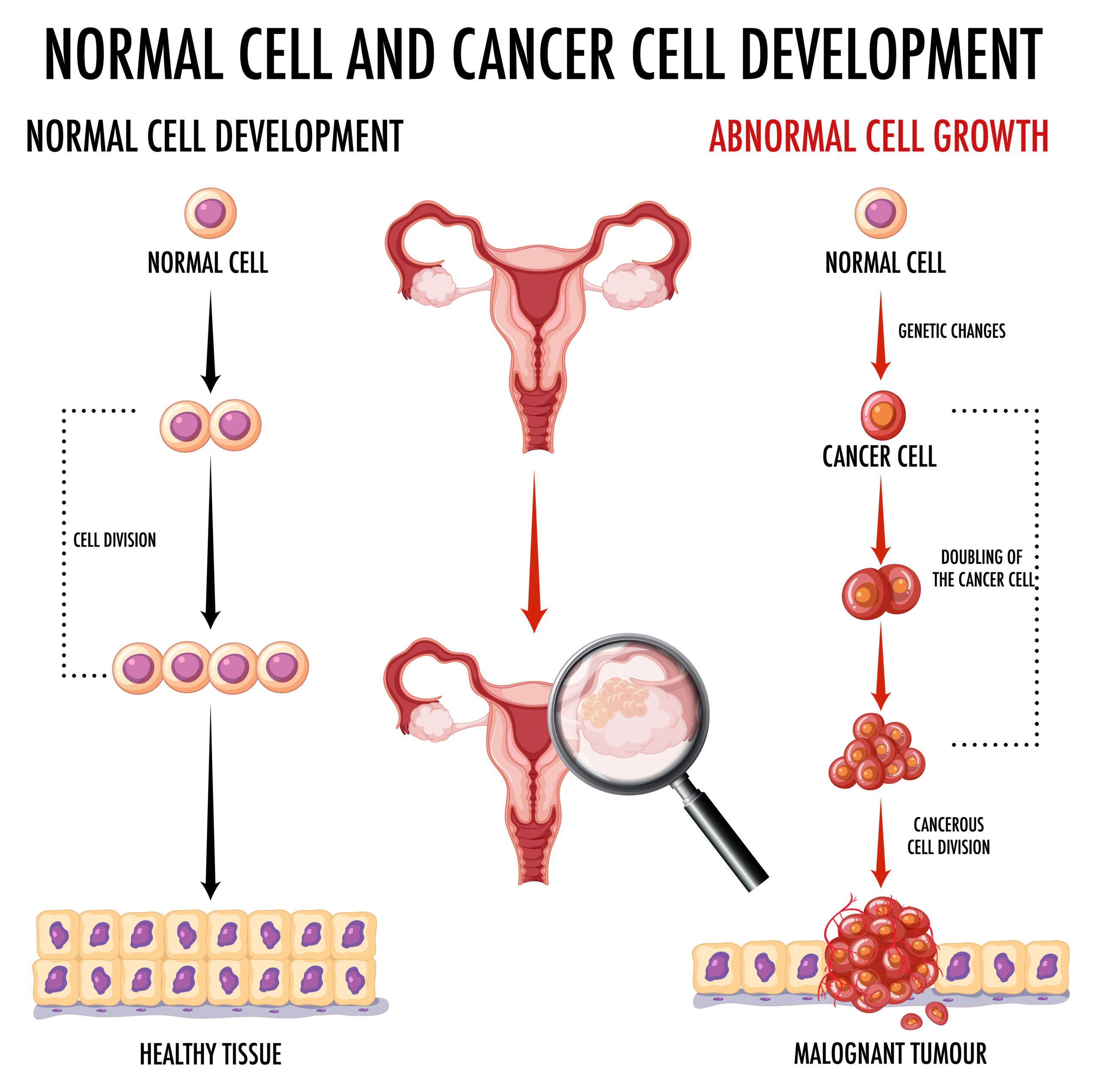
Early Detection
Ovarian cancer is one of the most silent cancers around. It often shows no clear symptoms in the early stages. That is why most cases are caught very late. Knowing the stages can help you act faster and smarter. Early detection truly makes a life-saving difference for patients.
This guide breaks down each stage in simple, clear words. Let us help you understand what your body may be telling you. Awareness is always the very first step toward better health.
Stage 0: Abnormal Cells Are Present But Contained
Stage 0 means abnormal cells have been found in the ovaries. These cells are not yet cancerous, but could become cancerous. This stage is also sometimes called carcinoma in situ. There are usually no noticeable symptoms during this stage.
It is very rarely detected without a routine check-up. Regular gynecological screenings can help detect this early. If found at Stage 0, treatment outcomes are very positive. Early action here can prevent cancer from ever fully forming.
Stage 1: Ovary Hides The Cancer
Stage 1 is characterized by the presence of cancer confined to the ovaries, which means that it has not yet spread to any other part of the body. The condition is still regarded as relatively early and potentially curable. The symptoms are usually minimal or hardly noticeable.
There might be some bloating or pelvic pain. Women typically assume that these symptoms are related to their hormones. For that reason, Stage 1 is usually discovered by accident.
Stage 2: Cancer Spreads Within the Pelvic Region
Stage 2 indicates that the cancer cells have progressed beyond the ovaries. At this stage, they are present in organs near the ovaries, such as the uterus. Fallopian tubes or even the bladder could also be affected. At this point, symptoms become more evident and harder to miss.
Some symptoms could include a need to urinate more often or pelvic pain. Changes in appetite and unusual weight loss or gain are also possible at this stage.
Stage 3: Cancer Reaches the Abdominal Area
In stage 3, the cancer will have moved on to invade the abdominal area. Your abdomen and lymph nodes are affected in this stage. Stage 3 is the stage at which most cases of ovarian cancer are identified. Symptoms tend to disrupt one’s daily functioning to a considerable extent in this stage.
Highly Relevant Symptoms:
- Severe bloating
- Nausea
- Exhaustion
Treatment for this stage tends to be more aggressive.
Stage 4: Cancer Spreads to Distant Organs
Stage 4 represents the highest level of ovarian cancer. At this point, the disease will have metastasized extensively outside the pelvis and abdomen. The liver, lungs, or even the spleen could also be affected. At this point, you will experience intense and debilitating symptoms.
It is important to evaluate your symptoms and develop a strategy to enhance your quality of life. You will undergo chemotherapy, targeted therapies, and sometimes surgery. Life at this stage can be difficult, but the support structure plays an important role.
Why Awareness of Ovarian Cancer Stages Truly Matters?
Most women do not know these stages until it is too late. That gap in awareness is what makes ovarian cancer so dangerous. Knowing the signs helps you seek medical advice much sooner. Do not dismiss persistent bloating, pelvic pain, or fatigue easily. Regular check-ups with your gynecologist can genuinely save your life.
If something feels off in your body, speak up always. Visit Dr. Avhad Hospital for expert gynecological care and support. Your health is always worth taking seriously every single day.